

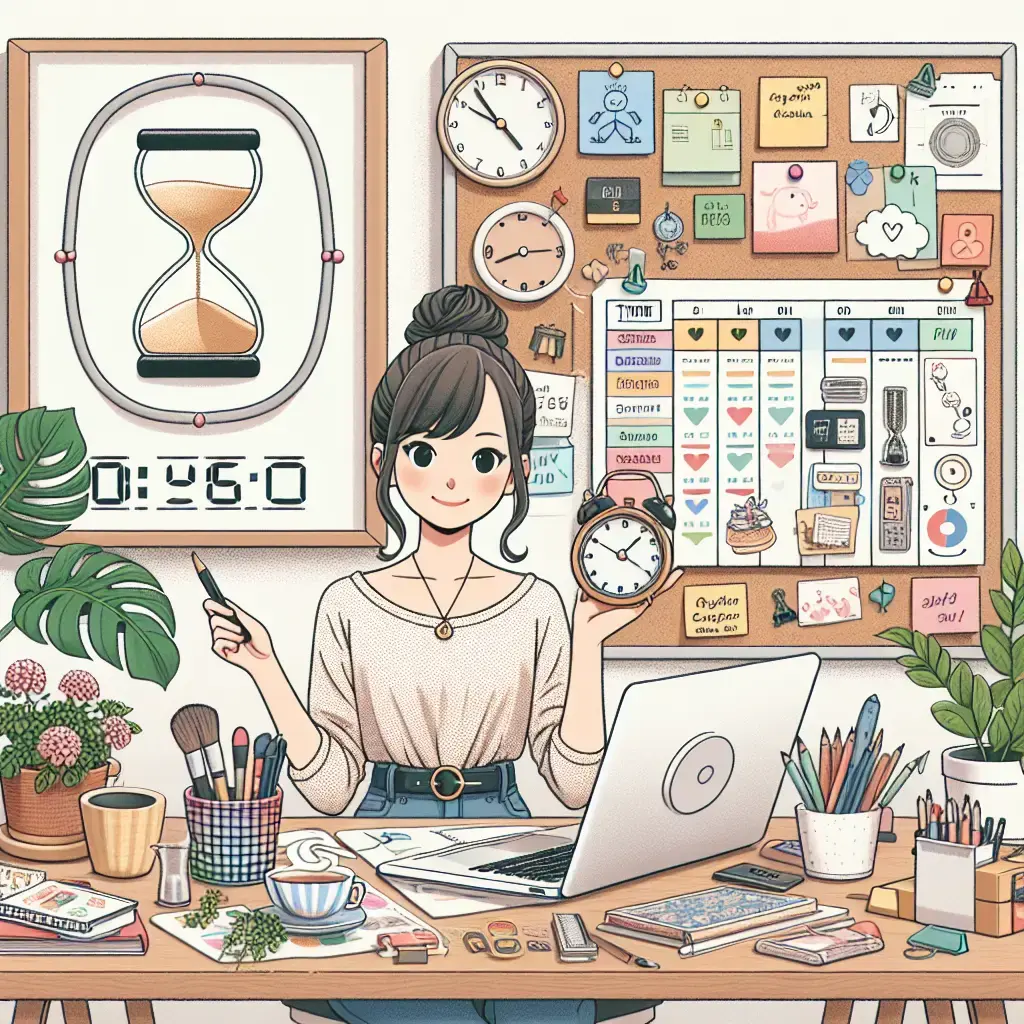
In the fast-paced world of freelance graphic design, mastering effective time management is crucial for success. Freelancers in this field often juggle multiple projects with tight deadlines, making it essential to adopt strategies that enhance productivity and ensure efficiency. This guide explores practical techniques and tools tailored for freelance graphic designers to help you manage your time more effectively.
With technological advancements, AI tools have become invaluable assets for freelance graphic designers. Platforms like Canva and Looka allow designers to create professional-quality logos swiftly, freeing up time for other creative tasks. While AI offers speed and efficiency, it's important to maintain your unique creative vision and use AI to complement your work rather than replace it. This balance ensures your personal touch remains in your designs.
Effective scheduling techniques are crucial for managing time as a freelancer. By allocating time for various tasks, graphic designers can enhance their workflow and avoid burnout. Tools like Trello or Asana help organize tasks visually, allowing for better prioritization. Implementing a daily or weekly review process can also aid in adjusting schedules to accommodate any changes or unexpected challenges.
Incorporating collaboration into your design practice is another effective strategy. As highlighted by artist Willy Wong, principles like exploring, accepting guidance, and adapting are vital in the creative process. Collaborating with other creatives or seeking early feedback from clients can save time on revisions and spark innovative ideas that might not emerge when working alone.
Time tracking tools such as Toggl or Harvest provide valuable insights into how time is spent across tasks and projects. This data helps optimize work hours and improve focus. By analyzing time logs, freelancers can identify productivity patterns and adjust schedules to align with peak creativity hours. Accurate time tracking also aids in billing clients transparently, fostering trust in client relationships.
Prioritizing Tasks for Maximum Efficiency
Effectively prioritizing tasks is a cornerstone of successful time management. Techniques like the Eisenhower Box or ABC prioritization help categorize tasks based on urgency and importance. Focusing on high-priority tasks ensures that project deadlines are met without compromising quality, allowing designers to maintain momentum.
Understanding personal productivity rhythms can significantly enhance graphic design productivity. If late mornings are your most creative times, schedule demanding tasks during these hours and reserve administrative duties for less productive periods. This optimization ensures each task is performed with maximum efficiency and creative output.
Minimizing distractions is essential for improving focus in a creativity-driven profession. Creating a dedicated workspace free from interruptions enhances concentration. Techniques like the Pomodoro Technique—working in focused bursts with breaks—boost productivity by preventing fatigue. Additionally, using apps like Freedom to block distracting websites helps maintain focus during crucial work hours.
Staying updated with market trends and client needs is essential for freelance work efficiency. Understanding industry shifts allows freelancers to adapt their skills accordingly, enhancing marketability and competitiveness in the freelance landscape.
Conclusion: Mastering Time Management for Freelance Success
Effective time management is pivotal for freelance graphic designers aiming to thrive in today's competitive environment. By integrating AI tools wisely, employing strategic scheduling techniques, leveraging collaboration, utilizing time tracking tools, prioritizing tasks effectively, optimizing work hours for peak creativity, minimizing distractions, and staying attuned to market trends, freelancers can enhance their productivity and efficiency.
As you navigate your freelance journey, tailor these strategies to fit your unique workflow and creative process. Implementing these approaches can lead to enhanced productivity, professional satisfaction, and a harmonious balance between creativity and business success.
We invite you to share your experiences on managing time as a freelance graphic designer in the comments below and join a community of creatives striving for success.




Leave a Comment