

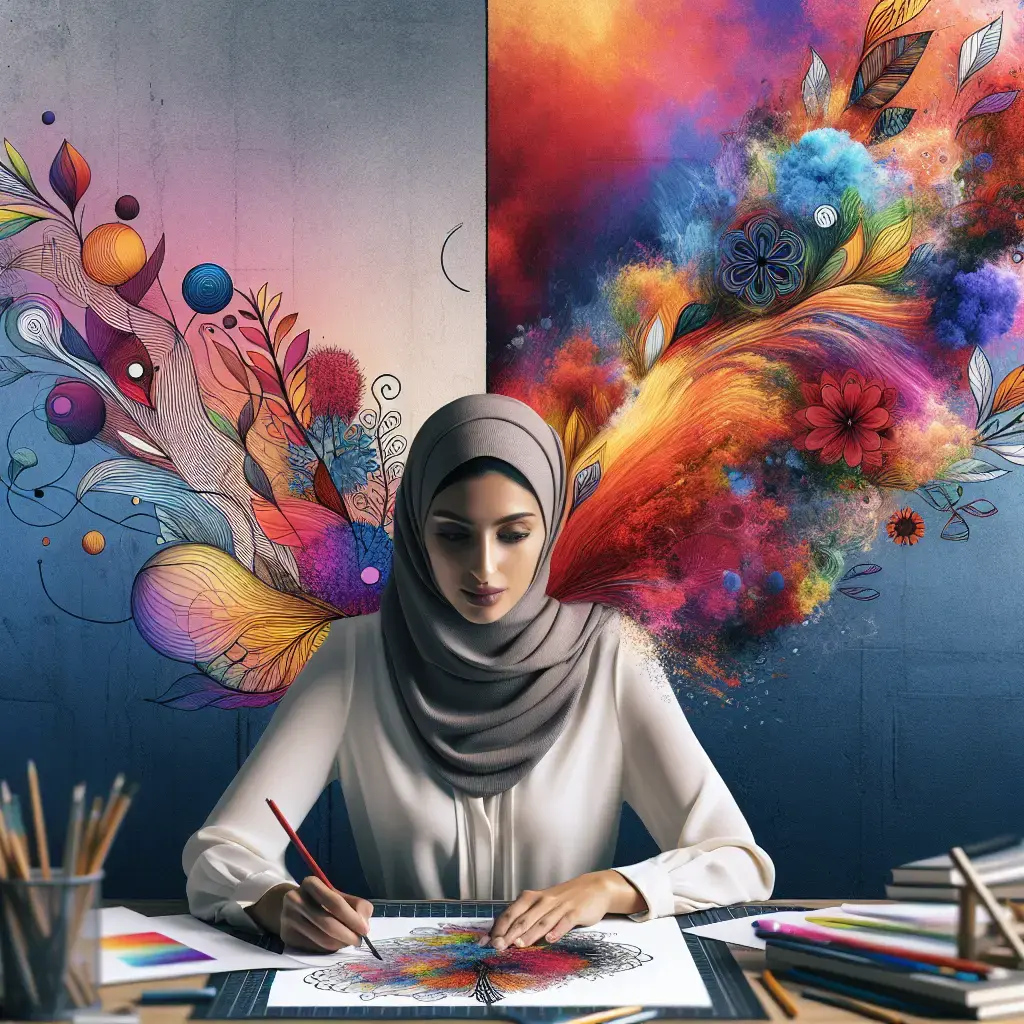
In the ever-evolving world of freelance graphic design, balancing creativity and client expectations is both an art and a science. Freelancers often find themselves navigating the delicate dance between innovative design and satisfying client needs. This balance is crucial for both creative freedom in graphic design and maintaining a steady freelance income stability. With the rise of digital platforms, more designers are embracing the freelance lifestyle, which brings unique challenges and opportunities.
From managing client expectations to mastering pricing strategies for graphic designers, these professionals must wear many hats.
Effective client communication for designers is key to ensuring that project goals align with client visions, while also allowing room for artistic expression. This involves setting clear design project goals, negotiating with clients, and managing the inevitable freelance design challenges that arise.
Financial planning for freelancers is equally important, as budgeting for freelance designers ensures that creativity isn't stifled by monetary constraints. By crafting cost-effective design solutions, designers can maintain both their artistic integrity and financial health.
Building a robust freelance design portfolio showcases one's versatility and ability to meet diverse client needs. Meanwhile, time management for graphic designers ensures that deadlines are met without compromising on quality. Project management in freelance design is not just about keeping projects on track, but also about ensuring every stakeholder's voice is heard.
Balancing Creativity and Client Expectations: A Nuanced Dance
The freelance graphic design industry is witnessing a surge in demand for designs that resonate on digital platforms. However, the key to success lies not just in creating visually stunning work but in effectively managing client expectations. Designers must ask themselves: How can I marry my creative vision with the client's needs? The answer often involves clear communication and setting realistic design project goals.
Client Communication for Designers: A Crucial Skill
Effective communication is paramount. Designers must articulate their ideas clearly and listen actively to clients to ensure mutual understanding. This involves not only discussing the aesthetic aspects but also negotiating timelines, budgets, and scope. According to Millo.co, freelancers can enhance financial stability by developing robust forecasting strategies, which include clear communication with clients about expected outcomes and timelines.
Setting Design Project Goals
To align client needs with design inspiration, setting clear project goals is essential. This includes defining deliverables, timelines, and metrics for success. It’s about asking the right questions at the outset: What are the client's core objectives? How can these be reflected in the design? Doing so not only ensures that the project stays on track but also minimizes misunderstandings and revisions.
As you delve deeper into this topic, you'll discover actionable graphic design tips that help you thrive in this competitive field, offering insights into achieving the perfect synergy between design inspiration and client needs.
Freelance Design Challenges: Navigating Financial Uncertainty
One of the biggest challenges for freelancers is maintaining financial stability amidst fluctuating income. As highlighted by Preston Lee in his article on Millo.co, forecasting freelance income is crucial for financial planning for freelancers. This involves understanding market trends and anticipating client demands to smooth out income variability.
Pricing Strategies for Graphic Designers
Determining how to price your services is both an art and a science. A well-crafted pricing strategy should reflect not only the time and resources spent on a project but also the unique value you bring as a designer. Some strategies include hourly rates, flat fees, or retainer agreements. By offering flexible pricing models, designers can better cater to diverse client needs while ensuring their own financial viability.
Financial Planning and Budgeting
To ensure creativity isn't stifled by monetary constraints, budgeting for freelance designers is critical. Effective budgeting allows designers to allocate resources efficiently, ensuring that they can invest in new tools or software that enhance their creative output without jeopardizing their financial health. Additionally, crafting cost-effective design solutions can help maintain both artistic integrity and client satisfaction.
Building a Freelance Design Portfolio: Showcasing Versatility
A strong portfolio is the backbone of any successful freelance career. It should demonstrate not only your design skills but also your ability to meet diverse client needs. For instance, showcasing projects where you've successfully balanced creative freedom with client expectations can be particularly persuasive.
Time Management for Graphic Designers
Meeting deadlines without compromising quality requires meticulous time management. Implementing project management tools can streamline workflows and ensure that all tasks are completed on time. Moreover, understanding how to prioritize tasks based on client urgency and project impact can significantly enhance productivity.
The Role of Graphic Design Contracts
Embracing Creative Freedom
Establishing clear contracts is vital for setting expectations from the outset. Contracts should outline project scope, deadlines, payment terms, and revision limits. This legal framework not only protects designers but also provides clarity to clients, fostering trust and reducing potential disputes.
While meeting client expectations is crucial, maintaining creative freedom in graphic design is equally important. Designers should seek opportunities within projects to infuse their unique style and innovative ideas. This can be achieved by presenting multiple design options or suggesting alternatives that may better serve the client's goals while allowing room for personal expression.
Conclusion
As the freelance graphic design landscape continues to evolve in 2024, striking a balance between creativity and client needs remains pivotal. By mastering effective communication, financial planning, and time management, designers can not only satisfy clients but also sustain their creative passion and financial stability. Engaging with resources like Millo.co's article on income forecasting provides invaluable insights into thriving in this dynamic field.
Wrap-up
In the dynamic world of freelance graphic design, navigating the intersection of creativity and client expectations is essential for success in 2024. Here's a concise recap of the key strategies discussed:
Balancing Creativity and Client Expectations: Strive to align your creative vision with client needs through clear communication and realistic goal-setting.
Client Communication: Engage in active listening and articulate your ideas to build mutual understanding, ensuring smoother project execution.
Financial Planning and Stability: Employ robust forecasting strategies to mitigate income variability, as highlighted by Preston Lee on Millo.co.
Final Thoughts or Conclusion
Pricing Strategies: Develop flexible pricing models that reflect your value and cater to diverse client requirements.
Time Management: Use project management tools to enhance productivity and meet deadlines without compromising on quality.
Contracts: Establish clear agreements outlining project details to protect both parties and foster trust.
Sign Off
Embracing Creative Freedom: Infuse your projects with personal style and innovation while meeting client goals.
By mastering these aspects, freelance graphic designers can achieve a harmonious balance between creativity and financial stability. Embrace these insights to sustain your passion and thrive in this ever-evolving field.

Leave a Comment